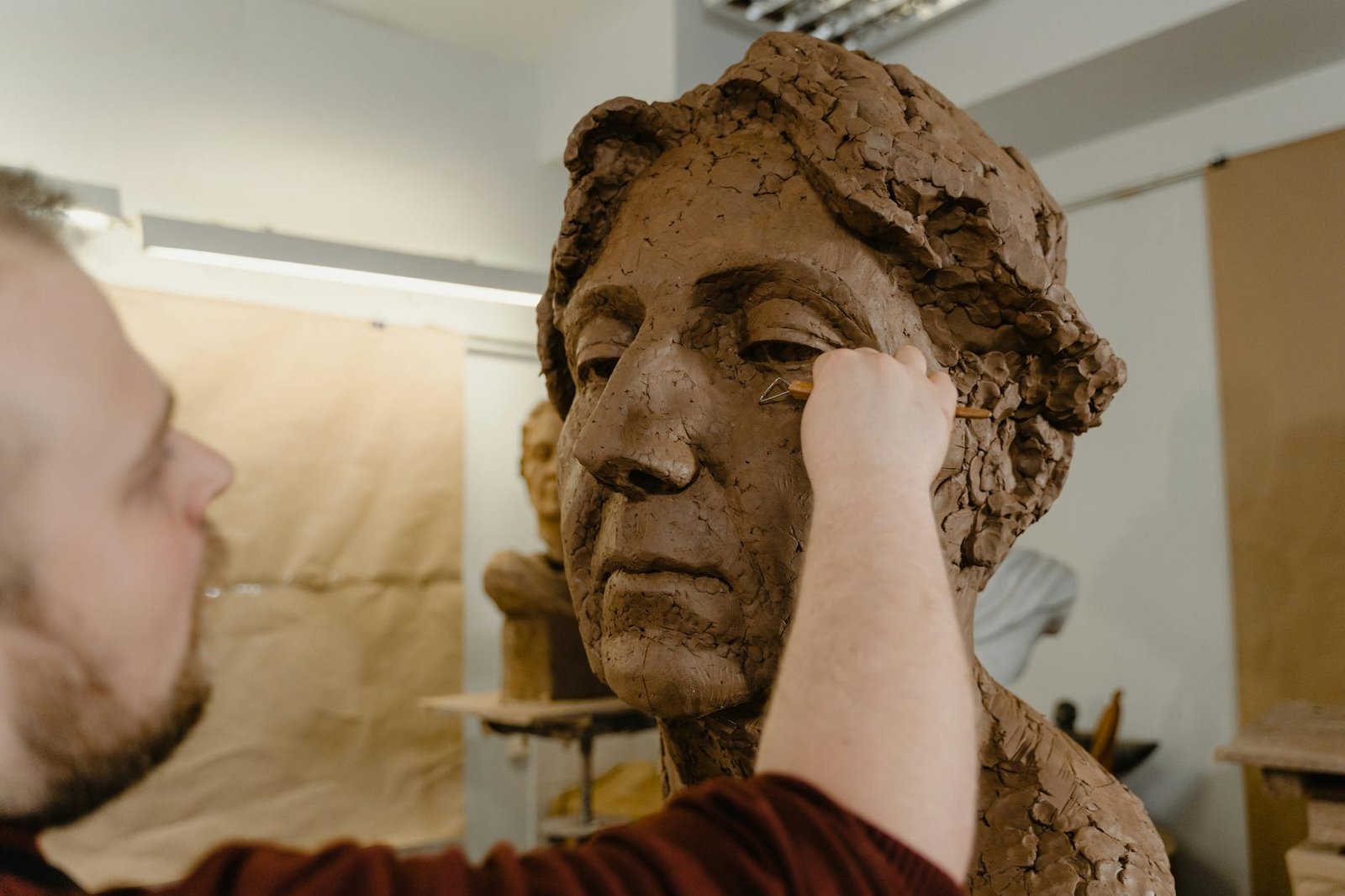
CREATION AND DEVELOPMENT
From beginning to end, the Bible affirms that God is the Creator. This, and not the human condition, is the true starting point for both understanding and caring for the world around us.
Read more
Eagle Scholars Forge An Initiative of Sele Media Africa
Eagle Scholars Forge An Initiative of Sele Media Africa
From beginning to end, the Bible affirms that God is the Creator. This, and not the human condition, is the true starting point for both understanding and caring for the world around us.
Read more
Power influences actions and beliefs within society, impacting justice and development. It encompasses various forms, such as coercive, reward, legitimate, referent, and expert power. Understanding power dynamics is essential for promoting equity and accountability in governance, and through ethical leadership, it can be transformed into a means for social change.
Read more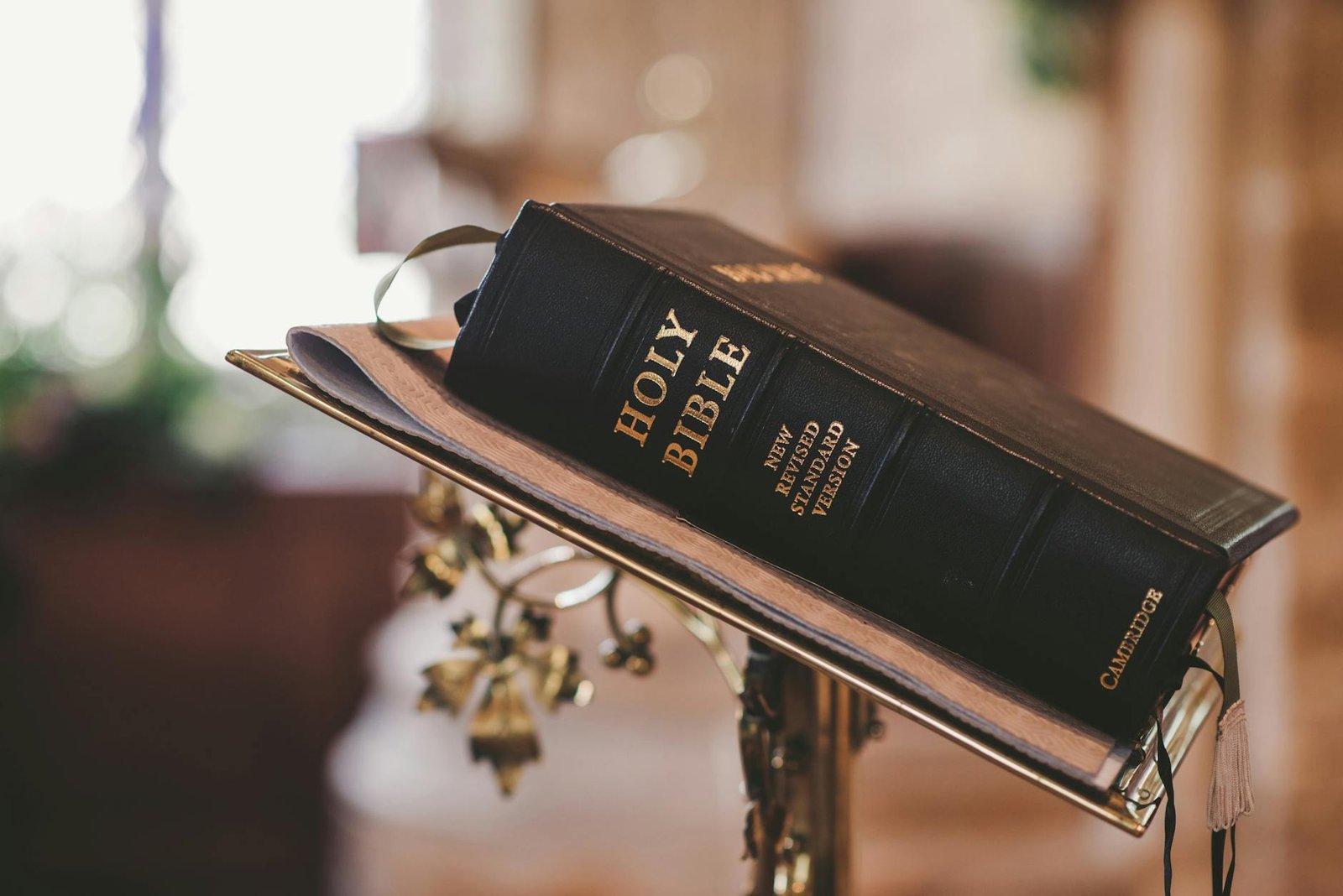
Christians are urged to engage with governance and politics through a biblical lens, emphasizing integrity, justice, and civic responsibility. The Old Testament depicts divine sovereignty in leadership, while the New Testament highlights a dual obligation to earthly authorities and God’s law. Active participation in society is essential for promoting justice and righteousness.
Read more
Governance, politics, and development are interconnected concepts shaping societies and development outcomes. Governance involves decision-making processes, while politics encompasses power dynamics and influences governance. Development is multidimensional, encompassing economic, social, and political progress. Understanding these concepts is vital for comprehending nation-building and socio-economic progress.
Read more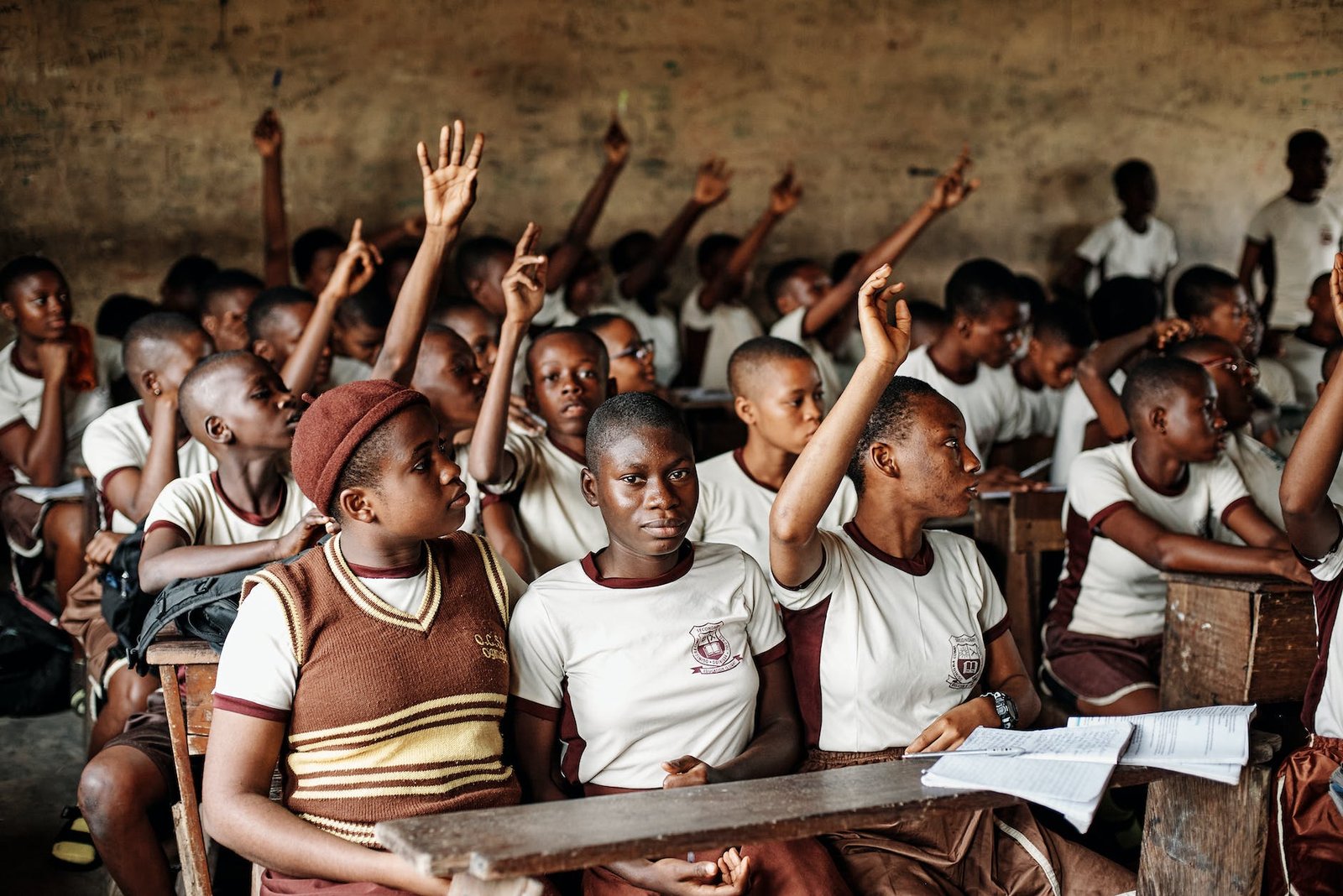
This paper explores the transformative influence of Christian theological perspectives on education policies in developing countries. It emphasizes the reverence for individual dignity and the concept of stewardship inherent in Christian theology, guiding policymakers to prioritize equitable and inclusive education opportunities. The intersection of theology and development is evident in initiatives such as the Sustainable Development Goals, aligning with the biblical injunction to seek justice and promote the common good. Case studies from developing countries and scholarly advocacy further illustrate the practical implications of integrating Christian theological perspectives into education policies, leading towards a vision of education that prioritizes justice, equity, and human flourishing.
Read more
To explore poverty merely as an economic condition is to skim the surface of a profound ocean. Poverty, in its essence, is a social construct that perpetuates injustice and inequality…
Read more
The intricate relationship between Christian stewardship and material possessions, drawing insights from Matthew 25:14-30. Our material possessions become tools for advancing God’s kingdom, combating injustice, and embodying Christ’s transformative love. … READ MORE
Read more
The Prosperity Gospel, often hailed as the “health and wealth” gospel, proclaims that God desires material prosperity and well-being for believers who exercise faith. This teaching asserts that through prayer, faith, and positive confession, one can unlock financial abundance and physical health.
Read more
At the very heart of the biblical message lies a profound call to justice, extending to every facet of human existence, including economic affairs. The foundational principle of equitable sharing is rooted in God’s character.
Read more
The concept of a Creator and His creation has been the subject of theological discussion and debate for centuries. In Christianity, the belief that God created the world and everything in it is a foundational doctrine.
Read more
Human beings have always pondered their place in the grand scheme of things. In the context of God’s big plan, the Bible provides profound insights into humanity’s purpose and significance.
Read more