
PLAY WITH GOD – PROVERBS 8
Proverbs 8, especially the personification of Wisdom who rejoices and delights in God’s creation, offers a profound theological perspective on our relationship with God.
Read more
Eagle Scholars Forge An Initiative of Sele Media Africa
Eagle Scholars Forge An Initiative of Sele Media Africa
Proverbs 8, especially the personification of Wisdom who rejoices and delights in God’s creation, offers a profound theological perspective on our relationship with God.
Read more
Governance, politics, and development are interconnected concepts shaping societies and development outcomes. Governance involves decision-making processes, while politics encompasses power dynamics and influences governance. Development is multidimensional, encompassing economic, social, and political progress. Understanding these concepts is vital for comprehending nation-building and socio-economic progress.
Read more
The blood of Jesus Christ is central to the Christian faith, symbolizing the ultimate sacrifice and the means of salvation for humanity. The significance of Jesus’ shed blood is profound,Read More…
Read more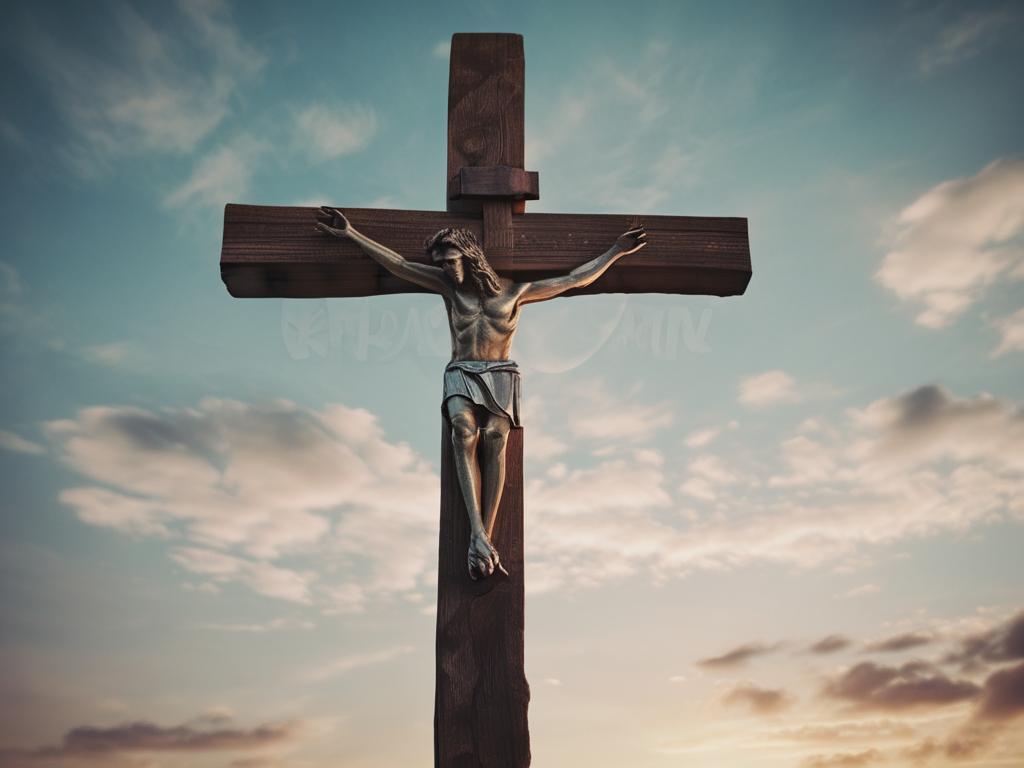
The cross of Jesus Christ is the ultimate symbol of love and victory for Christians. It represents Jesus’ sacrificial death, fulfillment of prophecy, atonement for sin, and God’s boundless love. The cross also signifies justification, sanctification, victory over sin and death, and a call to discipleship. Believers find hope and a call to live out the gospel through the cross. Ultimately, it serves as a reminder of God’s immense love and the price paid for our redemption, inspiring believers to honor His sacrifice in their lives.
Read more
The first miracle performed by Jesus Christ, turning water into wine at the wedding in Cana, is one of the most significant events in the New Testament. This miracle, recordedRead More…
Read more
The life and ministry of Jesus Christ are marked by numerous miracles that have inspired and puzzled generations. From turning water into wine to raising the dead, Jesus’ miracles areRead More…
Read more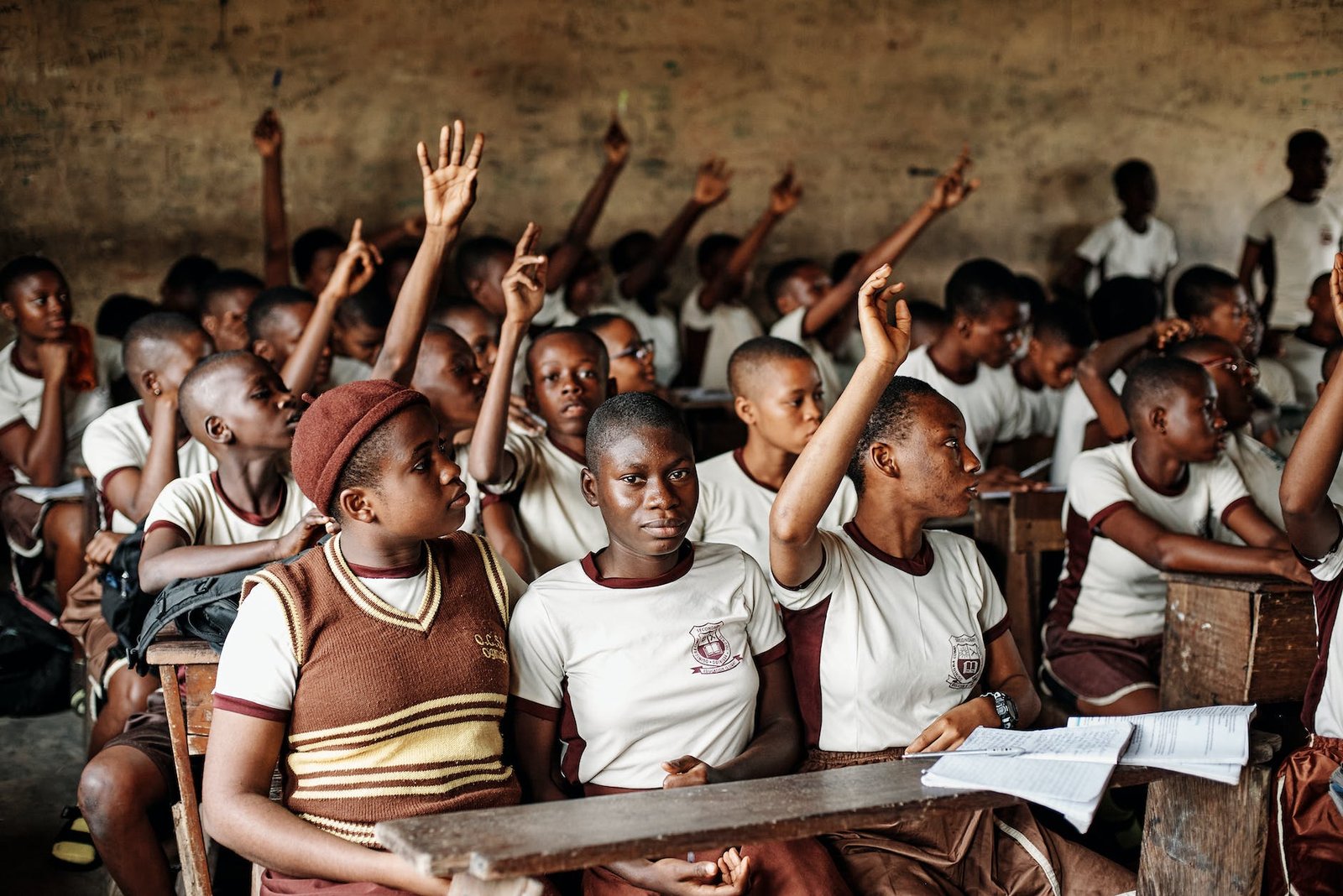
This paper explores the transformative influence of Christian theological perspectives on education policies in developing countries. It emphasizes the reverence for individual dignity and the concept of stewardship inherent in Christian theology, guiding policymakers to prioritize equitable and inclusive education opportunities. The intersection of theology and development is evident in initiatives such as the Sustainable Development Goals, aligning with the biblical injunction to seek justice and promote the common good. Case studies from developing countries and scholarly advocacy further illustrate the practical implications of integrating Christian theological perspectives into education policies, leading towards a vision of education that prioritizes justice, equity, and human flourishing.
Read more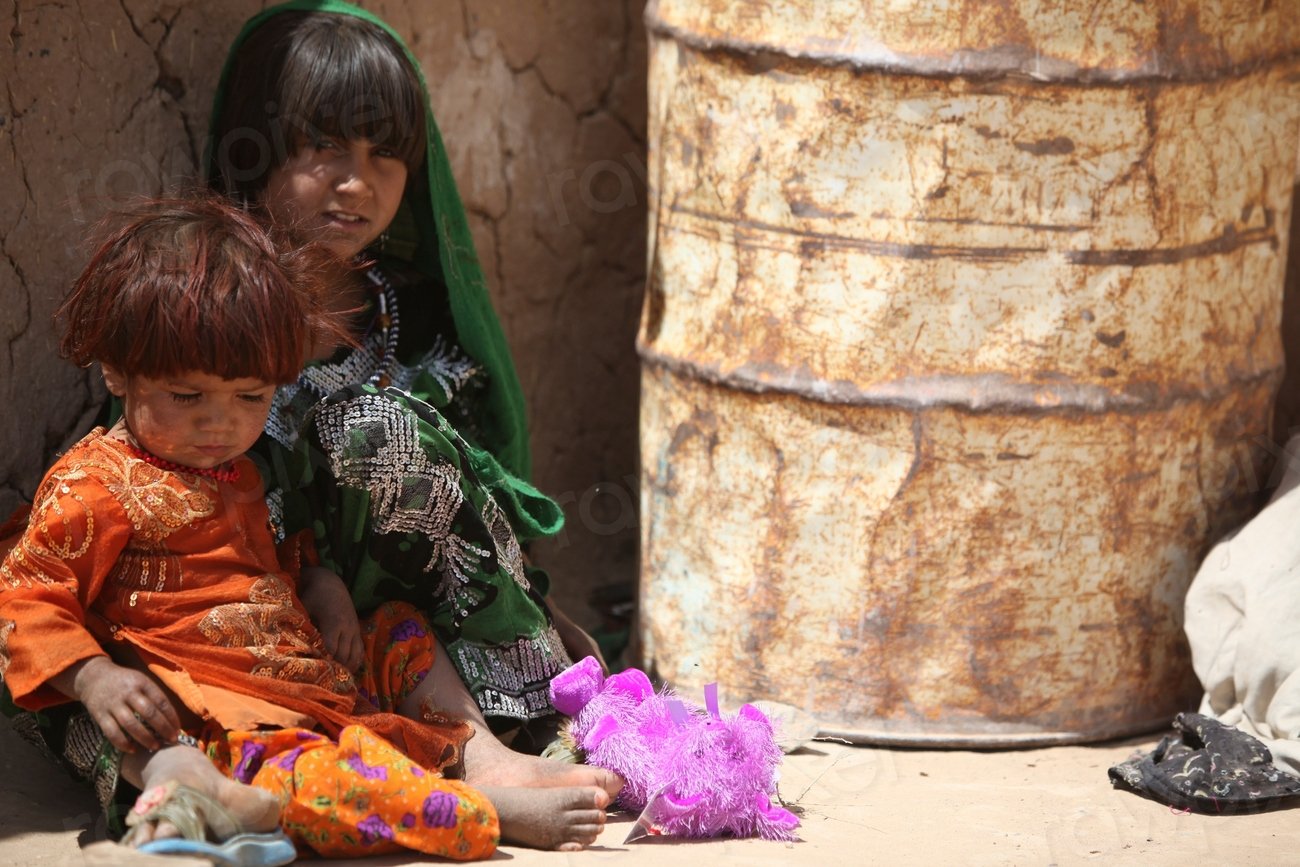
This paper presents a comprehensive analysis of integrating Christian faith-based perspectives with poverty alleviation strategies. It explores the ethical frameworks, values, and practical implications, emphasizing the interconnectedness of human rights, development, and the Christian worldview. The diverse approaches within the Christian context and case studies of successful initiatives are examined, along with the challenges and critiques of intertwining religious missions with development work. This critical exploration aims to contribute to a more nuanced understanding of how faith-based initiatives can inform and enrich global development efforts.
Read more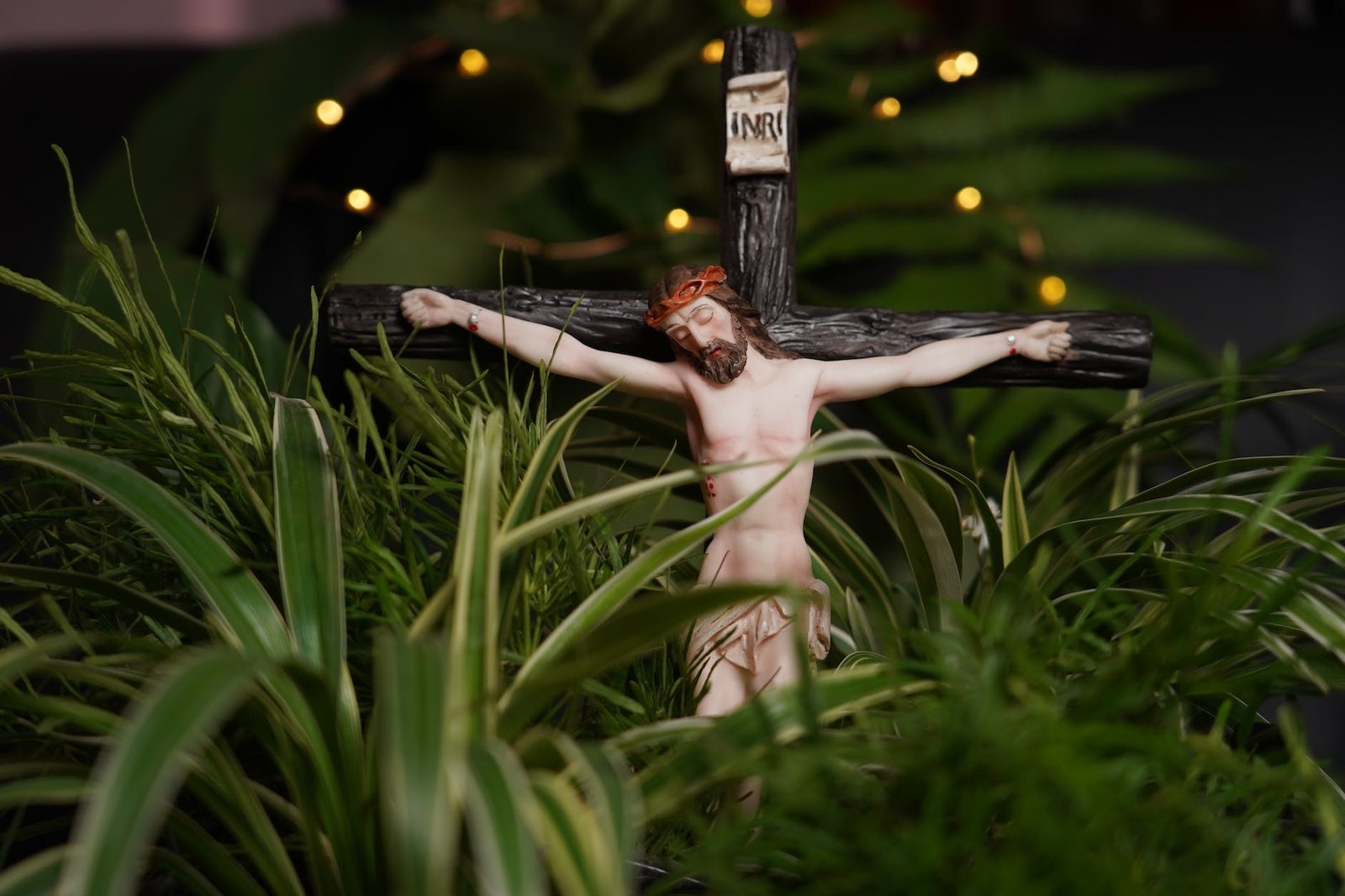
The resurrection of Jesus holds profound significance in Christian theology, symbolizing triumph over death and offering spiritual renewal. It is intertwined with the promise of eternal life and forgiveness of sins, providing hope and strength to believers. This transformative event is the cornerstone of the Christian faith, shaping its development and influencing art, culture, and ethics. The enduring impact of Jesus’ resurrection transcends doctrinal confines, leaving an indelible mark on diverse societies and uniting people in reverence for love and empathy.
Read more
Christian theology at the core celebrates the worth and dignity of every individual, rooted in the belief that humanity is created in the image of God. This forms the basis of human rights, echoed in biblical calls for justice and mercy. The UNDP recognizes the vital link between human rights and development. Christian principles have inspired initiatives like the Jubilee Campaign, advocating for economic justice. Gender equality is implicit in Christian theology, as seen in organizations like “Christians for Biblical Equality.” Though challenges exist, the intersection of human rights and Christian theology offers a profound framework for global development, reflecting principles of justice, compassion, and inherent human dignity.
Read more
The biblical narratives in Genesis underscore the close relationship between Edenic circumstances and human development. The directive to be fruitful, multiply, and care for the Earth forms the foundation of humanity’s place in God’s plan. Despite the disruption caused by sin, the redemptive story offers hope for the restoration of God’s original design for human well-being. Academics emphasize the importance of stewardship, procreation, and collaboration in the ongoing process of human evolution. References to biblical commentators and theologians enrich the understanding of these concepts, reinforcing the interconnectedness of God’s creation and human responsibility… READ MORE…
Read more
To explore poverty merely as an economic condition is to skim the surface of a profound ocean. Poverty, in its essence, is a social construct that perpetuates injustice and inequality…
Read more